Category: Sober living

  • EtOH Abuse Long-Term Consequences of Alcohol Use

    Support groups like Alcoholics Anonymous, inpatient rehabilitation programs, and behavioral therapies are invaluable tools for achieving and maintaining sobriety. Research has demonstrated that long-term heavy drinking weakens the heart muscle, causing cardiomyopathy. Alcohol misuse can also lead to high blood pressure, an irregular heartbeat (arrhythmia), or increased heart rate. Chronic, heavy drinking raises the risk for ischemic heart disease (heart problems caused by narrowed arteries) and myocardial infarction (heart attack). In addition to its effects on the brain, alcohol also affects the peripheral nervous system, which comprises the nerves outside the brain and spinal cord.

    What Does EtOH Stand For?  Medical Abbreviation Use
    what is etoh abuse in medical terms

    Medical detox is the phase where alcohol leaves the body while medical staff stay involved the whole time. Withdrawal symptoms are watched closely since they can shift without much warning. Some people feel uncomfortable with manageable symptoms, while others struggle more.

    Long-Term Health Effects of Alcohol

    • This shorthand is routinely used in hospitals and clinics to describe alcohol use or EtOH abuse.
    • Continued alcohol consumption perpetuates bone marrow suppression, rendering other interventions ineffective.
    • While abstinence is paramount, medications play a supportive role in managing complications and accelerating recovery.
    • Pine Grove’s clinicians understand the complex relationship people can have with alcohol.

    While cutting down on alcohol is the healthiest way to go, most people do imbibe on occasion. Health officials recommend that both men and women drink less than 14 units of alcohol per week. The patient reports no alcohol consumption; important for medication planning and risk assessment. Because denial is common, you may feel like you don’t have a problem with drinking. You might not recognize how much you drink or how many problems in your life are related to alcohol use. Listen to relatives, friends or https://ecosoberhouse.com/ co-workers when they ask you to examine your drinking habits or to seek help.

    Struggling with addiction? We can help.

    These symptoms can occur in addition to the symptoms of alcohol withdrawal. Alcohol interferes with the brain’s communication pathways and can affect the way the brain looks and works. These disruptions can change mood Substance abuse and behavior and make it harder to think clearly and move with coordination. More information about alcohol’s effects on the brain is available on NIAAA’s topic page on Alcohol and The Brain. Support groups and counseling offer additional layers of support and accountability.

    Many people drink to cope with stress, trauma, or mental health issues, but alcohol often makes symptoms worse. Excessive alcohol consumption can intensify mental disorders such as depression and anxiety etoh meaning and make it harder to treat them effectively. Two major patterns of alcohol misuse are binge drinking and heavy drinking. Binge drinking typically means consuming five or more drinks (for men) or four or more drinks (for women) in about two hours.

    Find Treatment Now

    “Etoh” is an abbreviation derived from the chemical formula for ethanol, C2H5OH, where “et” signifies the ethyl group and “oh” represents the hydroxyl group. The use of “etoh” in medical and scientific communities has historical roots, reflecting the need for a concise term to denote ethanol in clinical settings and literature. When it comes to ethanol addiction, many people picture a drunk homeless person who is unable to hold down a job or procure work.

    When Drinking EtOH Is Dangerous

    Doctors and nurses help keep people safe and comfortable during detox. Health professionals monitor vital signs and provide medications to ease withdrawal symptoms. Detox usually lasts from a few days to a week, depending on how severe the addiction is.

    Early detection of these manifestations greatly enhances the likelihood of effective treatment outcomes leading to recovery. Alcohol Use Disorder (AUD) is a medical condition that occurs when a person cannot control their alcohol use, even when it leads to negative consequences. AUD includes a spectrum that ranges from alcohol abuse and binge drinking to alcohol dependence and etoh addiction. ETOH is a medical abbreviation for ethanol, the chemical name for the type of alcohol found in alcoholic beverages. The term “ETOH” is often used in clinical documentation, toxicology reports, and addiction treatment to describe alcohol use or intoxication. Ethanol, the alcohol in drinks like beer and wine, can lead to addiction when consumed frequently or in large amounts.

    EtOH Medical Abbreviation: What Does EtOH Stand for in Medical Terms?

    • This is of particular concern when you’re taking certain medications that also depress the brain’s function.
    • If you or a loved one is struggling with substance use challenges, know that help is always within reach.
    • A woman can undergo safe detox while pregnant with the right medical staff, supervision, and medications, such as Subutex, Suboxone, & Sublocade.
    • Once you stop alcohol intake, a doctor can address your specific symptoms.

    Small doses are not harmful, as in medicines, but larger amounts can be severely harmful. It’s harmful to your physical health and can affect every aspect of your life. Several types of therapy are proven to be effective in treating AUD. They help you understand why you might abuse alcohol and can even help treat comorbid disorders. Sequoia Behavioral Health offers holistic treatment programs that treat symptoms while addressing underlying cause.

    what is etoh abuse in medical terms

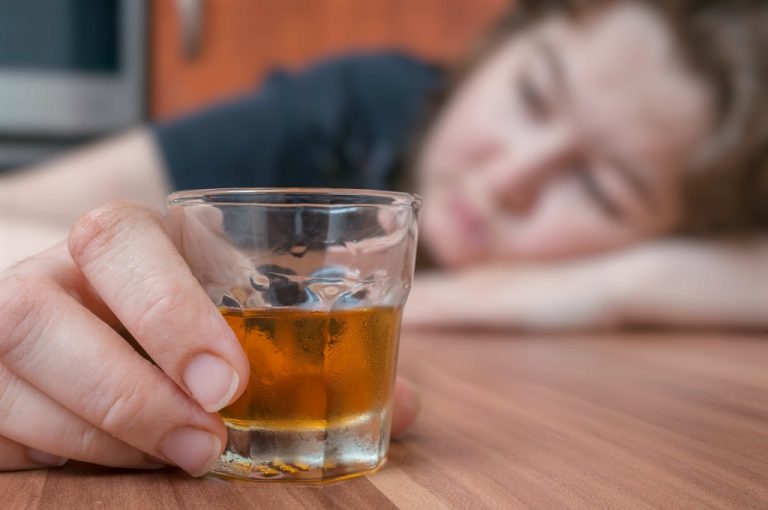
    Ethanol is produced when yeast ferments sugars, a process that creates the intoxicating ingredient in most alcoholic drinks, including beer, wine, and spirits. If you’ve seen the term ETOH on a medical chart, hospital bill, or lab report, you may be wondering what it means. ETOH is the chemical abbreviation for ethanol, which is the type of alcohol found in beer, wine, and spirits. When healthcare providers write “ETOH abuse” in your medical record, they’re documenting that your drinking patterns may be causing health problems or putting you at risk.


  • Traumatic Events and Post-Traumatic Stress Disorder PTSD National Institute of Mental Health NIMH

    After the acute phase of withdrawal, a person may still experience low mood, anxiety, and cravings for the drug for several months. The Adult Protective Services Program is responsible for preventing further harm to vulnerable adults who are victims of abuse, neglect, exploitation https://dumpsterlandrentals.services/goodbye-letter-to-addiction-worksheet/ or self-neglect. These adults may experience abuse, neglect, or exploitation by second parties or may fail to take care of themselves adequately. Florida Statutes require any person who knows or who has reasonable cause to suspect any abuse of vulnerable adults to report that information to the Florida Abuse Hotline. Some symptoms, such as agitation and hallucinations, typically go away within days of starting antipsychotic medication. However, people may not experience the full effects of antipsychotic medication for up to 6 weeks.

    Data Sources

    But as you continue to drink, you become drowsy and have less control over your actions. If you are in crisis, call or text the 988 Suicide & Crisis Lifeline  at 988, available 24 hours a day, 7 days a week. The Lifeline provides confidential support to anyone in suicidal crisis or emotional distress.

    The legalization of cannabis in the US has also increased the percentage of older adults using medical marijuana to target conditions like sleep disturbances and chronic pain. This trend, coupled with the unique health implications and challenges it presents, underscores the need for comprehensive and tailored approaches to prevention, screening, and treatment. Unfortunately, chronic pain can also increase older adults’ risks of developing substance misuse issues.

    • MDMA (an abbreviation of 3,4-methylenedioxymethamphetamine), also called “Molly” or “Ecstasy,” is a lab-made (synthetic) drug that has effects similar to stimulants like methamphetamine.
    • If you think you have become pregnant while using this medicine, tell your doctor right away.
    • NIMH offers expert-reviewed information on mental disorders and a range of topics.
    • Some specific considerations may help older adults and their loved ones find the right care.
    • For more recent provisional data, please see Provisional Drug Overdose Death Counts from NCHS.

    The Substance Abuse and Mental Health Services Administration has an online tool  to find mental health services in your area. If a person’s symptoms do not improve with usual antipsychotic medications, they may be prescribed an atypical antipsychotic called clozapine . People who take clozapine must have regular blood tests to check for a potentially dangerous side effect that occurs in 1%–2% of people.

    substance abuse in older adults

    Top services

    Strategies range from those designed to support people at increased risk to a focus on the whole population, regardless of risk. Research shows that mental illnesses are common in the United States, affecting tens of millions of people each year. Estimates suggest that only half of people with mental illnesses receive treatment. The information on these pages includes currently available statistics on the prevalence and treatment of mental illnesses among the U.S. population.

    substance abuse in older adults

    Other NIDA Sites

    Many people with alcohol use disorder hesitate to get treatment because they don’t recognize that they have a problem. An intervention from loved ones can help some people recognize and accept that they need professional help. If you’re concerned about someone who drinks too much, ask a professional experienced in alcohol treatment for advice on how to approach that person. Alcohol use disorder is a pattern of alcohol use that involves problems controlling your drinking, being preoccupied with alcohol or continuing to use alcohol even when it causes problems. This disorder also involves having to drink more to get the same effect or having withdrawal symptoms when you rapidly decrease or stop drinking. Alcohol use disorder includes a level of drinking that’s sometimes called alcoholism.

    More middle-aged and older adults are misusing alcohol, opioids, heroin, and marijuana. The National Institute on Drug Abuse reported in 2019 that rates of substance use had climbed in adults between 50 and 64 years old and in those 65 years and older in the previous decade. It’s been called the “invisible epidemic.”  But knowing what to look out for can help you protect yourself or a loved one. Many behavioral therapies and medications have been successful in treating substance use disorders in older adults.

    Overlap Between Substance Use Disorders And Signs Of Aging

    Family, friends, and doctors often don’t know when older people have a problem with alcohol and drugs. Once you retire, problem drinking or drug use doesn’t interfere with your job. Sometimes, people Substance abuse notice but ignore it, thinking it’s best for older people to keep doing what makes them happy. According to the CDC, alcohol was an underlying cause of death for 11,616 adults aged 65 and over in 2020.

    • Health care providers generally ask people taking anticonvulsants to participate in regular monitoring to check medication levels and assess side effects and potential interactions with other common medications.
    • If your dose is different, do not change it unless your doctor tells you to do so.
    • This release can strongly reinforce the act of taking the drug, making the user want to repeat the experience.
    • Based on recent mortality data, suicide in some populations is on the rise.

    The exact link between these issues remains unclear, but many researchers believe that people with mood disorders often use substances as a form of self-medication. In older adults, noticing addiction can become especially difficult, as some symptoms of drug abuse may mimic common signs of aging. According to the National Institute on Drug Abuse (NIDA), 1 million adults ages 65 and older experience substance abuse in the United States. Use of illegal drugs like cocaine and heroin (and marijuana, in some states) is much lower in people 50 and up than in younger people. But it’s more common among this age group in the U.S. than almost anywhere else. It’s especially dangerous because their bodies don’t process drugs as quickly as when they were younger.

    Common side effects of SSRIs and other antidepressants include upset stomach, headache, or sexual dysfunction. Explore key milestones, discoveries, and the impact of NIMH-funded studies on mental health. Information about NIMH, research results, summaries of scientific meetings, and mental health resources. Information about resources such as data, tissue, model organisms and imaging resources to substance abuse in older adults support the NIMH research community. Find out how NIMH engages a range of stakeholder organizations as part of its efforts to ensure the greatest public health impact of the research we support. To learn more about alcohol treatment options and search for quality care near you, please visit the NIAAA Alcohol Treatment Navigator.

    There are no adequate studies in women for determining infant risk when using this medication during breastfeeding. Weigh the potential benefits against the potential risks before taking this medication while breastfeeding. Information about the prevalence and treatment of PTSD in the United States. People may be diagnosed with post-traumatic stress disorder (PTSD) if their symptoms last for an extended period after a traumatic event and begin to interfere with aspects of daily life, such as relationships or work. People who have PTSD may continue to feel stressed or frightened, even though they are not in danger.

    Older adults, like younger adults, benefit from individual therapy sessions while in recovery for substance abuse, and therapy can be personalized to the client’s individual needs. Though more research is needed on drug metabolism and substance misuse, the longer half-life of substances may alter the impact of drugs on older bodies. Little research has been done on the impact of substance abuse on older adults. Heroin is an opioid that works similarly to prescription pain medications.

  • Moderate, Heavy, Binge: The Levels of Problem Drinking  Sana Lake Missouri Alcohol & Drug Rehab

    Because of these variables, it’s essential to be cautious with alcohol consumption. Many people underestimate how quickly they can reach dangerous levels of intoxication. Self-monitoring can an alcoholic drink in moderation the number of drinks or using informal BAC calculators can help you stay aware of your intake. However, the safest option is always to limit or avoid drinking when you plan to drive or engage in other activities requiring alertness and coordination.

    how is binge drinking different from moderate drinking?

    Find Healthy Alternatives

    how is binge drinking different from moderate drinking?

    Their web pages offer both local and online groups, so you can choose whichever option works best for you. Doctors typically prescribe medication in combination with counseling to address the psychological elements of addiction. If you’re having thoughts of hurting yourself or ending your life, Alcohol Use Disorder know that you’re not alone. Even though alcohol is legal in most places, it’s still a toxin, and a potent one at that. Alcohol consumption has been linked to cancers of the breast, colon and rectum, liver, esophagus, voice box, throat, mouth, and probably the pancreas, according to the American Cancer Society.

    Social Drinkers

    • At Freedom From Addiction, we use medication and experienced professionals to help our patients safely manage withdrawal symptoms.
    • Periodic binge drinking, defined as consuming four or more drinks (women) or five or more (men) in about two hours, is a dangerous pattern that falls outside of moderate alcohol use.
    • What makes binge drinking so risky is how quickly it can lead to dangerous situations.
    • Drinking this way can pose health and safety risks, including car crashes and injuries.

    Binge drinking can be deadly, contributing to many deaths each year through accidents and chronic health conditions. Binge drinking is also costly, contributing to health care and other costs. The diagnosis indicates that someone has a disorder that makes it difficult for them to control their drinking or stop drinking entirely. ” Standard drinks are measured based on the amount of alcohol in the beverage.

    Alcohol use disorder

    how is binge drinking different from moderate drinking?

    Clogged arteries reduce blood supply to https://tempd.sproutwebsites.co.uk/narcissism-and-alcoholism-danvers-ma-2/ the heart muscle, and make it easier for blood clots to form. According to recent studies, drinking moderately can protect your heart from these conditions. Moderate drinking helps inhibit and reduce the build-up of fat in the arteries.

    • It’s an important one, but in determining how much of a problem you have with alcohol, a healthcare provider will also consider how drinking alcohol is affecting your life and your overall health.
    • Of course, these categories offer only guidelines, not hard-and-fast criteria.
    • Whether it’s driven by social pressure, mental health challenges, or simple miscalculation, binge drinking poses significant risks in both the short and long term.
    • However, it is important to note that many studies making these claims are inconclusive.
    • Binge drinking also increases the risk of accidental injury, poor decision-making, and alcohol poisoning.
    • At Archstone Behavioral Health our mission is to offer readers the most precise and up-to-date information on addiction and behavioral health as possible.
    • While binge drinking may seem less serious, its risks are real, and it can progress into alcoholism over time.

    Binge drinking can lead to alcohol dependence and alcohol use disorder for certain people. Knowing the warning signs of binge drinking can help you better identify these behaviors in yourself or someone you care about. Binge drinking is a pattern of drinking alcohol that causes your blood alcohol concentration (BAC) to reach the legal limit of 0.08% or above in a short period.

  • Unmasking The Link: Can Excessive Alcohol Weaken Your Immune System And Increase The Risk Of Colds And Flu?

    While alcohol abuse can harm your immune health in several ways, so can other types of drugs. The good news is that you don’t have to abstain from alcohol entirely to maintain a healthy lifestyle. You can still enjoy alcohol in moderation, but it’s important to remember that even moderate intake of alcohol can have an unfavourable effect on the immune system. Finally, if you’re going to have multiple servings in one night, give your body a break between them. There are gap times suggested for how long between drinks for alcohol-related health effects and reducing any ill feeling the next day. Trillions of beneficial microorganisms inhabit the gut, helping break down food and protect against harmful pathogens.

    can alcohol weaken your immune system

    Can You Die of Heroin Withdrawal? Risks, Challenges & Management

    Adaptive immune responses, on the other hand, are highly specific to new invaders. They involve T cells and B cells, which learn how to recognize antigens and not attack our own cells. These adaptive responses are helpful due to their long-lived memories and the ability to adapt to new types of infections. In addition to its direct effects, alcohol addiction can also weaken your immune system in other ways. Alcohol–immune interactions also may affect the development and progression of certain cancers. Meadows and Zhang discuss specific mechanisms through which alcohol interferes with the body’s immune defense against cancer.

    Short-term effects of alcohol on the immune system

    It is crucial for individuals who struggle with long-term alcohol abuse to seek treatment and support for their condition. Treatment options include therapy, medication-assisted treatment, and support groups such as Alcoholics Anonymous. By seeking help for their condition, individuals can reduce their susceptibility to infections and improve overall health outcomes. However, it is essential to note that these benefits are only observed with moderate drinking.

    Let’s Begin Your Journey to Recovery Together

    Chronic alcohol consumption can slow recovery https://medwingsua.charity/8-powerful-addiction-memoirs-that-sober-people/ from infections by impairing immune function, resulting in longer healing times. Innate immune responses are nonspecific “natural killer” cells, and complement proteins. The immune system is a term used to describe a combination of organs, tissues, and white blood cells.

    This is particularly concerning during flu seasons and pandemics like COVID-19, where a robust immune system is essential for protection. Long-term alcohol use damages specific organs crucial for proper immune function, leading to broader immune compromise. The gut is significantly impacted, as alcohol disrupts its barrier function, leading to a “leaky gut”. This increased permeability allows bacteria and their toxins to translocate from the gut into the bloodstream. Studies have found that people who exercise regularly have stronger immune systems amphetamine addiction treatment and are better able to fight off infections. When you exercise, your body produces more white blood cells, which are crucial for fighting off harmful pathogens.

    • Alcohol consumption alters the bacteria in your gut, causing an imbalance with more harmful bacteria than good.
    • When the immune system is compromised by substance abuse, the body becomes more vulnerable to infections and diseases.
    • The bottom line is, it is best to avoid drinking during illness if you want to feel better quicker.
    • Fresh produce and nuts and seeds pack a lot of zinc, beta-carotene, vitamins A, C, and E, and other nutrients you need for a healthy body.
    • Adaptive immunity, on the other hand, is a more specific response that develops over time.

    Autoimmune diseases

    Maintaining a strong immune system is vital for overall health and well-being. Understanding the various factors that weaken the immune system allows us to take proactive steps to improve our immune health. Regular exercise plays a pivotal role in boosting immunity by improving cardiovascular health and reducing inflammation. Aim for at least 150 minutes of moderate exercise per week, which when you use/abuse alcohol your resistance to colds increases can include brisk walking, cycling, or any activity you enjoy.

    To understand how alcohol interacts with your immune system, it is helpful to think of the immune response as a multi-faceted process. When a pathogen invades the body, several steps must occur to neutralize it. Specialized immune cells (e.g., white blood cells such as macrophages, neutrophils, and lymphocytes) identify the pathogen and mount a coordinated response. This process relies on a complex communication network involving cytokines and other signaling molecules that help guide and regulate immune cells. Yes, excessive alcohol consumption can suppress the immune system, making us more vulnerable to infections like colds and flu. Additionally, excessive alcohol consumption can deplete important nutrients in our body, such as vitamin C, vitamin A, and zinc.

    can alcohol weaken your immune system

    All of these work together to defend the body from illness, and each one of our organs also has its own immune cells to rid itself of these pathogens. Not only does the immune system mediate alcohol-related injury and illness, but a growing body of literature also indicates that immune signaling in the brain may contribute to alcohol use disorder. The article by Crews, Sarkar, and colleagues presents evidence that alcohol results in neuroimmune activation. This may increase alcohol consumption and risky decisionmaking and decrease behavioral flexibility, thereby promoting and sustaining high levels of drinking. The immune system is typically categorized into the innate and adaptive immune response systems, both of which are essential components in the body’s defense against pathogens. That said, I believe the key takeaway isn’t necessarily to demonize alcohol entirely, but rather to encourage informed choices.

    Why It’s More Important Than Ever to Moderate Alcohol Intake

    Alcohol abuse can damage various organs, including the liver, which plays a crucial role in the immune system. When your liver is not functioning properly, it becomes harder for your body to fight off infections effectively. In conclusion, excessive alcohol consumption can have a significant impact on the immune system, making it less effective at fighting off infections. While drinking alcohol in moderation may not pose significant health risks, it is essential to be mindful of how much you consume.

  • Alcohol withdrawal Symptoms, diagnosis and treatment

    Moreover, the fluctuation in dopamine levels during alcohol withdrawal can increase emotional stress, which may exacerbate tension-type headaches. Dopamine is a feel-good chemical in the brain linked to pleasure and reward, as well as the body informing the brain that something the person is doing is healthy. When alcohol is removed, the brain and nervous system become overstimulated, leading to withdrawal symptoms. Addiction is recognized as a disease that affects both the brain and behavior, requiring compassionate and professional intervention. If you have severe symptoms such as seizures, confusion, hallucinations, chest pain, or trouble Halfway house breathing, call 911 in the United States or seek emergency care right away. During this time, memory and focus problems are common, especially in the early stages.

    Cognitive behavioural therapy (CBT)

    Naltrexone can be used to prevent a relapse alcohol withdrawal or limit the amount of alcohol someone drinks. Acamprosate (brand name Campral) is used to help prevent a relapse in people who have successfully achieved abstinence from alcohol. It’s usually used in combination with counselling to reduce alcohol craving. Ways you can try to relieve stress include reading, listening to music, going for a walk, and taking a bath. If you’re dependent on alcohol to function, it’s recommended you seek medical advice to manage your withdrawal.

    Understanding Alcohol Withdrawal Headaches

    Alcohol Withdrawal Treatment

    The study also emphasizes the need for educational initiatives in medical training that address the implications and identification of ghostwriting. Future healthcare providers must be equipped with the tools to recognize potential biases in literature so that they can approach clinical decision-making with a critical eye. This training will not only enhance their understanding of the medical landscape but also empower them to advocate for patient-centered care built upon rigorously verified research. The disconnect between clinical research and clinical experience becomes even more troubling upon consideration of patient-reported outcomes. Patients undergoing treatment for alcohol dependence often provide insight into their experiences that may contradict prevailing literature. When these lived realities clash with ghostwritten data, health care professionals may find themselves caught in a quagmire of confusion, leaving them ill-equipped to offer optimal care.

    Managing Anxiety in Detox

    Alcohol Withdrawal Treatment

    Detox is a dynamic process; what works initially may need adjustment as the body heals. Patience and persistence, coupled with expert guidance, are key to navigating this challenging but transformative phase. Alcohol withdrawal happens when someone who has been drinking consistently, especially in larger amounts, suddenly reduces or stops alcohol. Alcohol affects brain chemicals (like GABA and glutamate) that control calm and stimulation. While most physical symptoms improve within two weeks, psychological effects such as anxiety, mood swings, and sleep disturbances may last longer.

    • Fixed-dose or symptom-triggered medication regimens can be used in assisted withdrawal programmes in inpatient or residential settings.
    • Serious alcohol misuse can decrease your lifespan by as much as 28 years compared to those who don’t drink.
    • Sustained high pressure also contributes to end-organ damage, particularly affecting the kidneys and the brain.
    • When alcohol consumption stops, the nervous system becomes hyperactive, causing withdrawal symptoms.
    • Medications such as naltrexone (50 mg daily), acamprosate (666 mg three times daily), or disulfiram (250 mg daily) may also be prescribed to reduce cravings and prevent relapse.

    Alcohol Withdrawal Treatment

    At The Recovery Village Atlanta, we are committed to helping people like https://www.kamios.cn/2025/08/02/ncdas-substance-abuse-and-addiction-statistics-2/ you or your loved one recover completely from alcohol addiction as safely and comfortably as possible. We aim to help you stop using alcohol and empower you to maintain lifelong sobriety.Quitting alcohol may seem daunting; however, you can do it! You don’t have to take this journey alone; we are here to help you through each step of the way.

    • Alcohol enhances GABA’s effects, which is why drinking produces relaxation and sedation.
    • Alcohol withdrawal headaches can be painful, but they are also temporary — and a sign that the body is beginning to heal.
    • Stopping alcohol use and treating psychotic symptoms with antipsychotic medications can successfully treat alcohol-use psychosis.
    • Most people experience withdrawal seizures within 6 to 48 hours after their last drink, with the highest risk occurring during the first two days.

    Stage 3: Post-Acute Withdrawal (4-14 Days)

    Our supportive environment and experienced team are dedicated to helping you start your path to long-term wellness and recovery. For some people with mild dependence, it may be possible, but it is risky to guess. If you drink heavily, have had withdrawal before, have medical conditions, or live alone, medical detox is strongly recommended.