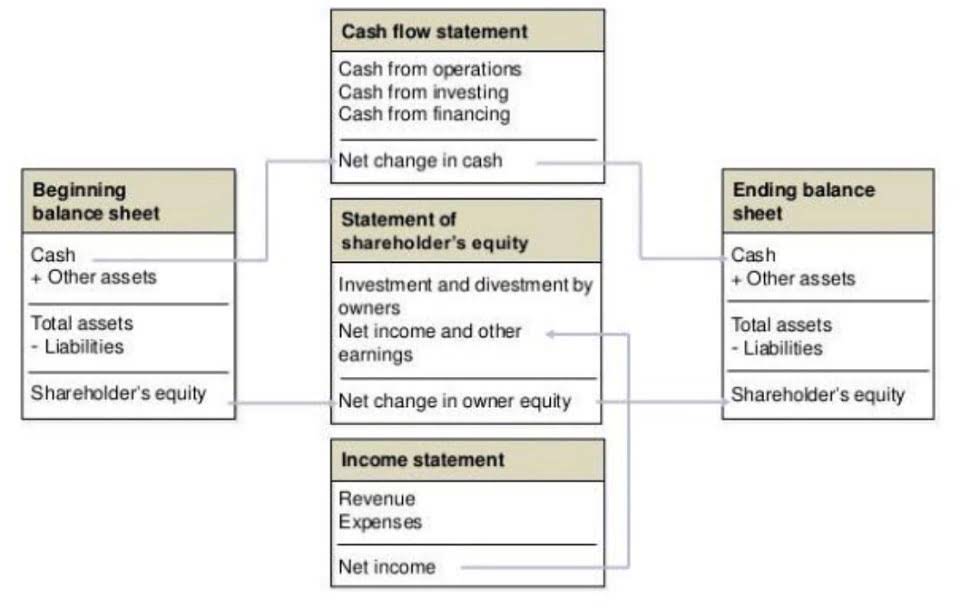
Using artificial intelligence and machine learning, it scans your data for patterns indicating the presence of sensitive information, such as personally identifiable information (PII) and financial data. This proactive detection helps organizations ensure Foreign Currency Translation that sensitive data is properly protected, thus enhancing data security and regulatory compliance. Upon identifying sensitive data, Data Detect enables you to explore matched patterns and gain a granular understanding of what type of data lives where.
What is Salesforce Shield? Features and Pros & Cons
- Paul holds a Bachelor of Arts degree and a Masters in Business Administration from McMaster University in Hamilton, Ontario, Canada.
- Generally speaking, most changes range from user permissions and permanent deletions to other key settings.
- For example – modifications to user permissions, data imports, or configuration changes.
- Salesforce Shield is for organizations that need to meet extra security and compliance requirements.
- Field Audit Trail from Salesforce lets companies know the state and value of their data for any date, at any time.
And unless you purchase the Field Audit Trail add-on, audit trail this information is only retained for 18 months through your Org, and up to 24 months if you export via the API. Create a Data Detect Policy by setting the start and end date (up to one year), and Data Detect will look for any added or changed data in that time. You can then specify the objects to scan, the patterns to look for (Email, Credit Card, etc), and configure which fields you would like to scan and which you don’t. Data Detect integrates seamlessly with native Salesforce software and identifies sensitive data regardless of what field it’s in, allowing you to take action to safeguard it quickly.
- We refer to these user activities as events, which are captured in something called an event log.
- This is the number of months that you wish to keep the field history data before it is archived.
- This information includes what changes were made, who made them, and when they were made.
- You can then specify the objects to scan, the patterns to look for (Email, Credit Card, etc), and configure which fields you would like to scan and which you don’t.
- It’s also great that field history tracking can be enabled for several fields per object, specifically up to 20 standard or custom fields.
Services & Plans
- Field Audit Trail lets you define a policy to retain archived field history data indefinitely from when the data was archived.
- For example, enabling a System Permission within a Permission Set will appear as being changed from disabled to enabled.
- Then, head over to the Event Monitoring Settings page in Setup and turn on Generate Event Log Files.
- You can do this by generating a new key, which automatically archives the old generated key.
- Now that you’ve got a secret set up, you can begin encrypting your data and files.
- On the other hand, when it comes to Salesforce Flow, there is an additional level of detail available, specifically with the versions.
It’s also great that field history tracking can be enabled for several fields per object, specifically up to 20 standard or custom fields. Salesforce provides different types of application to monitor changes in our salesforce organisation, user activities and object history tracking. All these Auditing features and applications are managed and viewed by system administrator only. Salesforce Shield Field Audit Trail extends normal balance field history tracking for up to ten years, versus months with Salesforce standard Field History Tracking. Both of these functions track what data changes, in which fields, when, and by which user.

Event Monitoring
You’ll need Salesforce Shield with Enterprise, Performance, Unlimited, or Developer editions. Your user account requires “Customize Application” permission for configuration and “Modify All Data” permissions for API access to historical audit data. REST, SOAP, and Tooling APIs provide programmatic access to your audit trail data. If you see retention policy options beyond 18 months, Salesforce Field Audit Trail is already enabled.

Is Salesforce Shield worth it for small businesses?

These logs include information on logins, data exports, report executions, API calls, and more. The event data is stored in Event Log Files, which can be accessed via the Event Monitoring API for analysis and reporting. Interestingly, prior to Spring ’15 release, you could ask Salesforce Support to increase the soft limit of fields to track from 20 to 50, without any issue. Whereas now, the increase to 50 fields to have field tracking history, is a feature with the Field Audit Trial product. They wanted to easily access full Field Audit Trail history and archived information over time, by field and by user.

Shrink your attack surface by killing standing privileges, locking down credentials, and monitoring privileged sessions. Secure every identity, streamline every process, and stay ahead of compliance — without adding complexity. Simplify and secure directory operations by cutting down on complexity, risk, and manual effort. First, just like with Platform Encryption, you’ll need to create a new Permission Set.
Leave a Reply